
Members Message May 2026
Members Message
Wealth, Patience and the Power of Prayer: Concluding James
This episode concludes our series, Faith in Action: A Series on the Book of James, where Bruce Billington guides us through James’s powerful letter—written with urgency and moral clarity. Throughout this series, we are invited to move beyond being mere believers and to become true disciples who live out an authentic, practical Christianity.
Rarely does a single biblical letter confront so many areas of everyday life, and Bruce's conclusion to the Book of James brings together wealth, patience, speech, prayer, and restoration in a way that challenges comfortable, passive Christianity.
He begins with James’ warning about wealth, making it clear that riches are not the issue, but rather the heart behind how they are acquired and used. He then moves into James's call to patience in verses 7–11, reminding believers that endurance is required in seasons of pressure, whether from within the community or from the world around us.
Bruce then turns to the integrity of speech in James 5:12, showing that true discipleship is reflected in simple, trustworthy words that do not rely on legal complexity or loopholes, but carry weight before God.
The episode also explores sickness, humility, and prayer in James 5:14–18, highlighting how affliction can draw believers into deeper dependence on God rather than self-sufficiency. Drawing on Elijah as an example, Bruce reminds us that ordinary believers are invited into powerful, effective prayer through faith.
Finally, he closes with James’ challenge to restore those who have wandered from faith, showing that bringing someone back is not judgment but the highest expression of Christian love and care.
Key Takeaways
- Wealth is not the issue—its use, origin, and the heart behind it are what matter most, challenging assumptions about prosperity and faith.
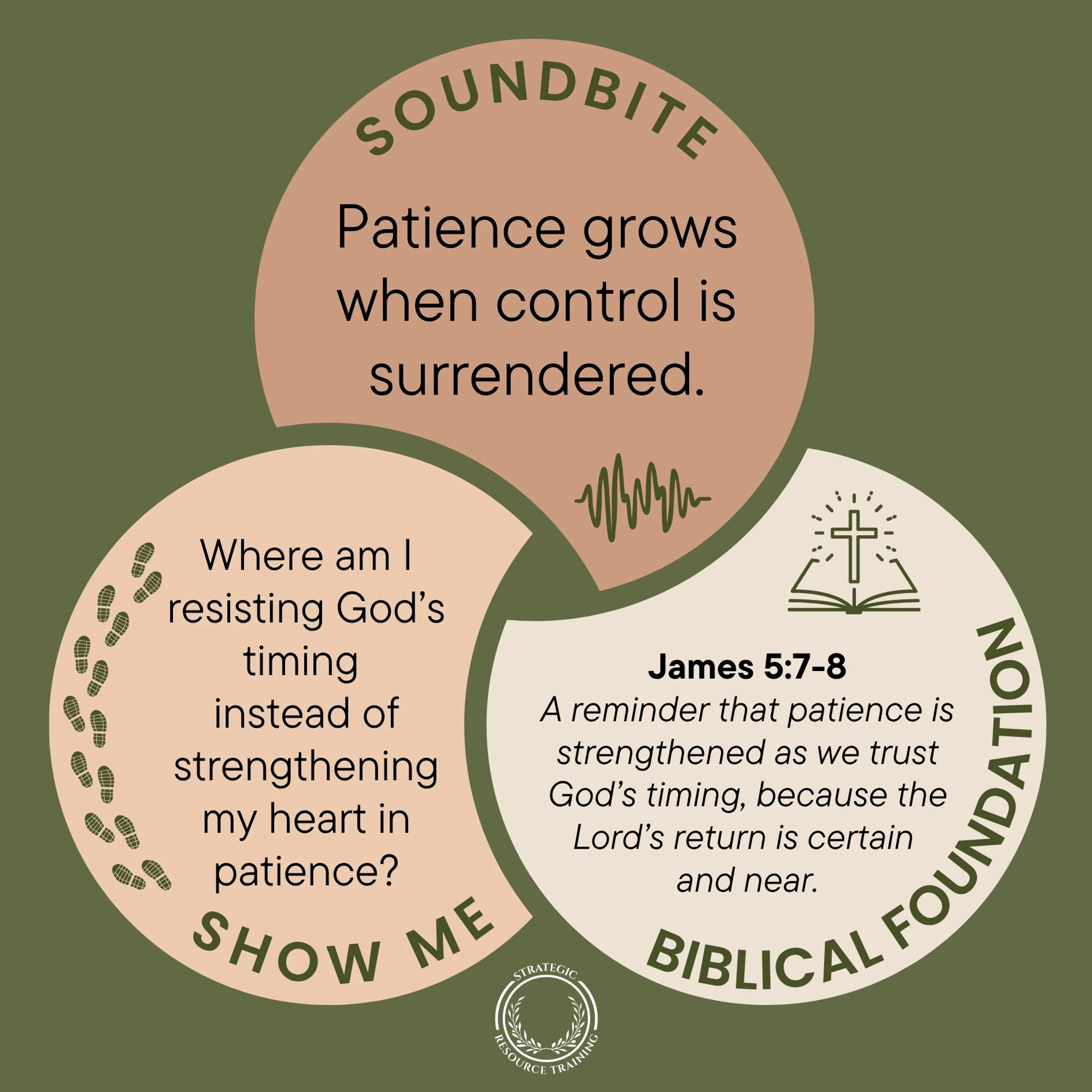
- Patience is not passive waiting but Spirit-empowered endurance under pressure, shaped by trust in God’s timing and coming.
- True integrity requires that our words stand without complication or manipulation, reflecting a life of simple and trustworthy obedience before God.
- Ordinary believers are called into extraordinary prayer and restoration, where humility, faith, and action work together to bring healing and spiritual recovery.
🎧 Listen now to Part 7 to discover what faithful Christian living looks like when patience, prayer, and integrity shape a life fully surrendered to God.
Introduction
Welcome to the final session in the book of James. In this session, James takes us through speech, healing, prayer, and dealing with those who backslide.
James 5:1-6 Misuse of Riches
There is much debate about whom James is speaking to here – whether it be Christians or non-Christians – but there are some principles worth considering either way.
James offers a picture of a life without self-denial, not necessarily corrupt in every way, but certainly offering no resistance to sin when comfort and enjoyment are promised. This picture of the Western world today is very clear. Anything goes, as long as it brings pleasure, despite the cost to others.
We must resist being caught up in this. Despite our riches, we must walk in righteousness, be generous to the poor, and accept that we can use our finances to bring much good back into the society we live in.
Also, we must pay our labourers and trade workers their fair pay when due.
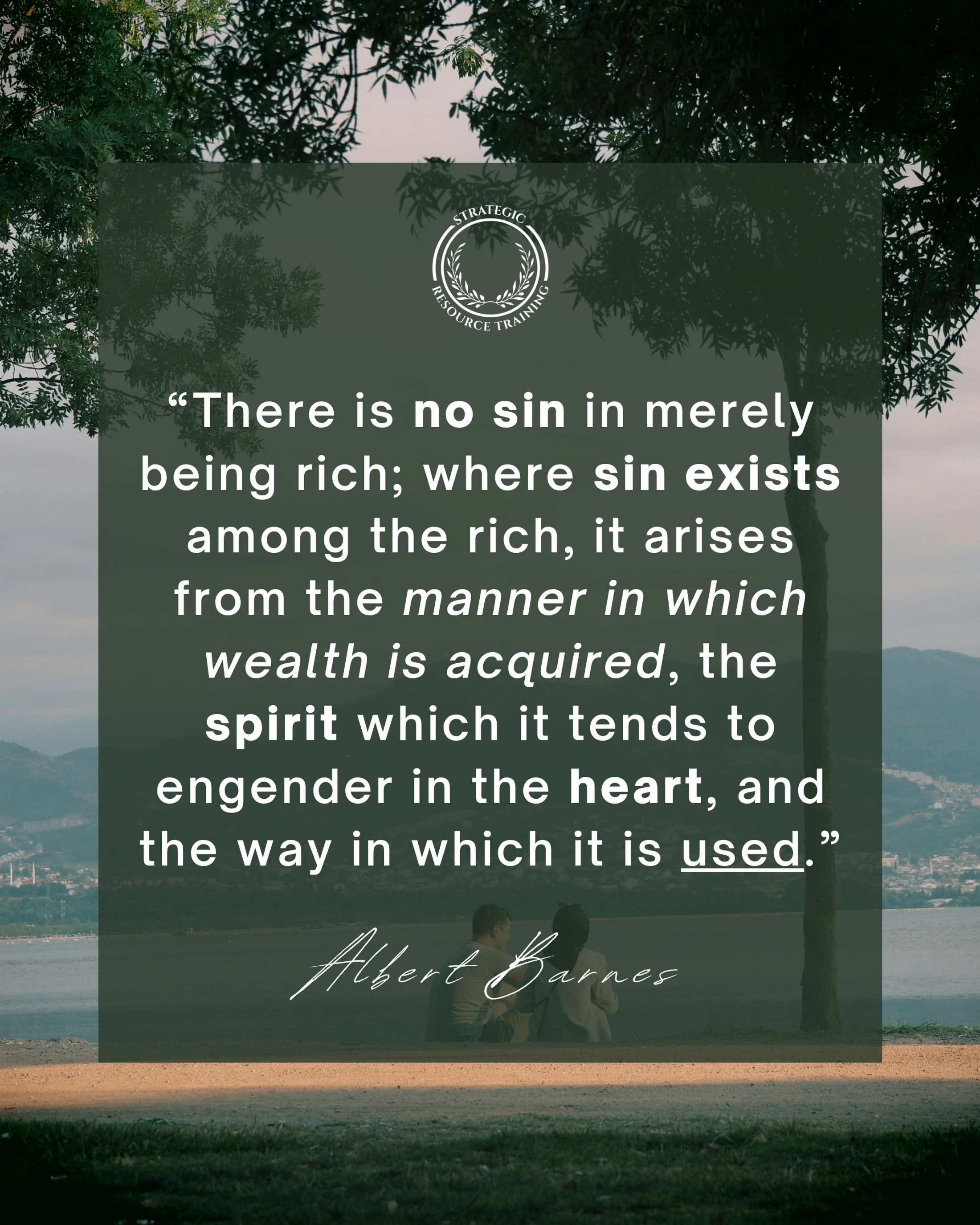
Summing up verses 1-6, Barnes says,
“There is no sin in merely being rich; where sin exists among the rich, it arises from the manner in which wealth is acquired, the spirit which it tends to engender in the heart, and the way in which it is used.”
This is a wonderful, concise summary of those verses, and I encourage you all to consider them before the Lord.
James 5:7-11 – “Therefore, be patient, brethren, until the coming of the Lord. The farmer waits for the precious produce of the soil, being patient with it, until it receives the early and late rains. 8 You too, be patient; strengthen your hearts, for the coming of the Lord is near. 9 Do not complain, brethren, against one another, so that you yourselves may not be judged; behold, the Judge is standing right at the door. 10 As an example, brethren, of suffering and patience, take the prophets who spoke in the name of the Lord. 11 We count those blessed who endured. You have heard of the endurance of Job and have seen the outcome of the Lord’s dealings, that the Lord is full of compassion and is merciful.”
James’s first advice here is to be patient. The Greek word for patience here means “enduring”, or “keeping steady under provocation”.
The community James addressed was facing both unfaithfulness within the community and persecution from outside it. His response was that they should not strike back but remain faithful to the call of God.
Although this is hard to understand for those of us who live in societies that have never faced persecution, we can all relate to living in a world of unfaithfulness.
James teaches that our life of true discipleship produces its own witness. He also says that our failure to consider any compromise to the way of the Lord should be determined within us. This is never easy and will require us to push into the Lord and stand together in community.
This patience can only be achieved through the power of the Holy Spirit. James tells us to have the patience of Job right up until the Lord returns. A better word to use here is “approaching.”
Patience is not easy in any situation, especially when someone is suffering. As we consider the farmer’s life, the message suggests that at times he had to wait for conditions beyond his control.
In James's example, the farmer must watch his food supplies dwindle, and it was not uncommon for food to be rationed and for the children to cry from hunger during the month or two before harvest. The later the rains, the worse it was. But with his life depending on it, he had to wait for conditions outside his control.
James reminds all of us in such situations that the Lord is full of compassion and merciful, that He is aware of our situation, and that His timing is perfect.
We must embrace this to be at peace.
James 5:12 – “But above all, my brethren, do not swear, either by heaven or by earth or with any other oath; but your yes is to be yes, and your no, no, so that you may not fall under judgment.”
There has been considerable confusion and disagreement about what the first part of this verse means. Some Christians have refused to take the oath in court, as well as to use other ways the world uses to make agreements. It is possible that James had something in mind that is not clear to us today. This is not speaking against profanity – other Bible verses do, but this is not one of them.
One thing it does mean is that if you agree to do something, do it. If you have given your word to someone, make sure you honour it. This is the day of signed agreements and defaulting on the small print. This should never be the case with us. Just getting our word should be enough. It is binding from God’s perspective.
__largepreview__.webp)
James 5:14-16 - “Is anyone among you sick? Then he must call for the elders of the church and they are to pray over him, anointing him with oil in the name of the Lord; 15 and the prayer offered in faith will restore the one who is sick, and the Lord will raise him up, and if he has committed sins, they will be forgiven him. 16 Therefore, confess your sins to one another, and pray for one another so that you may be healed. The effective prayer of a righteous man can accomplish much.”
There are several important points here.
1. It Causes Us to Take Stock
Our condition in this world is subject to many changes and diversities. Sometimes we are in sadness, sometimes in great joy; sometimes we are prosperous, and at other times we are struggling to make ends meet.
When we are in times of sickness, James tells us that we should come before the Lord in prayer. Now, this does not mean it is the only time we should pray.
Times of prosperity and well-being should also lead us to the Lord in praise and thanksgiving. We should share both our good times and our bad times with Him. But this passage addresses afflictions and advises us that when we face them, we should pray for ourselves and ask others to pray for us.
Sometimes God allows these times to come upon us, or they can result from sin or unwise behaviour. These times often humble us and remind us that without God, we are nothing. The Bible teaches that the prayer most acceptable to God comes from a contrite or humble spirit. This means we accept that we need His help or the help of others – despite how humbling that may be.
2. Call the Elders
If the sickness is serious, debilitating, or life-threatening, we are instructed to call the Elders. It is important to note why. There is a special anointing upon Elders, not just for healing but also for discernment. We are asking the Elders to inquire of the Lord about the nature of our sickness.
Now, if the Elders discern that the sickness is the result of sin, we must confess this sin and repent to receive healing. The passage makes it very clear that unless or until we do so, healing won’t come.
Of course, we should not assume that all sickness is the result of sin. Sickness is a very complex subject, and discernment is needed to determine its cause. That is one of the key reasons the Elders are called.
But we do confess, and we should remember that confession goes with restitution. If we have sinned against another person, we are required to go and put it right with them. It is not just a matter of making things right with God. We must be right with our fellow person as well. This may require some form of payback.
The last part of the verse encourages us to pray for one another - don’t just leave it to the Elders - the effective prayer of a righteous person can accomplish much.
__largepreview__.webp)
James 5:17-18 - “Elijah was a man with a nature like ours, and he prayed earnestly that it would not rain, and it did not rain on the earth for three years and six months. 18 Then he prayed again, and the sky poured rain and the earth produced its fruit.”
Elijah was a man of like nature to us. Although he was, in fact, a zealous good man, he still had his weaknesses and was subject to a fallen nature just as much as we all are.
Point: James assures us that, in Christ, we have the same power that Elijah had.
If we pray with the same fervency, earnestness and faith as Elijah did, we will achieve the same results. Prayer is the key that opens and shuts heaven, and the example is offered here to encourage us to take prayer seriously. If Elijah, through prayer, could accomplish such great and wonderful things, so can the prayers of any righteous person.
James 5:19-20 – “My brethren, if any among you strays from the truth and one turns him back, 20 let him know that he who turns a sinner from the error of his way will save his soul from death and will cover a multitude of sins.”
One of our roles as disciples is to try to win back anyone who has strayed from their faith. If we are successful, we have shown that person a great act of kindness and love.
One commentator says this:
“In such an act love reaches its highest point, and that love includes the faith in God which is the condition of forgiveness" - Plumptre.
None of us is immune to sin, to making mistakes, or even to being led off the path. But restoring others in this way means we could be saving their soul from death. Also, if we bring people into the truth, not only does it enhance their lives, but it also prevents pain and suffering in the community, because sin multiplies and affects many, not just the sinner. So, as well as doing them a real service, we are all reducing the effects of sin in the community. This is great for the glory and honour of God and His people. It is a very noble task to be involved in.
__largepreview__.webp)
Conclusion
At this point, James abruptly puts down his pen. He obviously feels he has said all that needs to be said.
The Topics Covered in the Book of James
- The balance between faith and works
- The difference between trials, temptations, and tribulations.
- Being quick to hear and slow to anger
- Favouring the rich over the poor
- The role of the law in the New Covenant
- The issue of judgment in the context that mercy triumphs over judgment
- The power of the tongue and how to control it
- What wisdom is, and that it begins with the fear of the Lord
- Speaking out against one another
- Do not swear
- Praying for the sick
God bless you.
Bruce Billington